Table of Contents
- What Are Water Spots and Why Do They Damage Your Car Paint?
- Tools and Materials You’ll Need
- Step-by-Step Guide to Remove Water Spots From Car Paint
- Home Remedies vs. Professional Water Spot Removal
- Preventing Future Water Spots on Your Car
- FAQs
- Conclusion
You spend hours washing your ride. You rinse it, you dry it, and you step back to admire your work. But instead of a mirror finish, you see them. Ugly, chalky white rings all over the hood and roof.
It is incredibly frustrating.
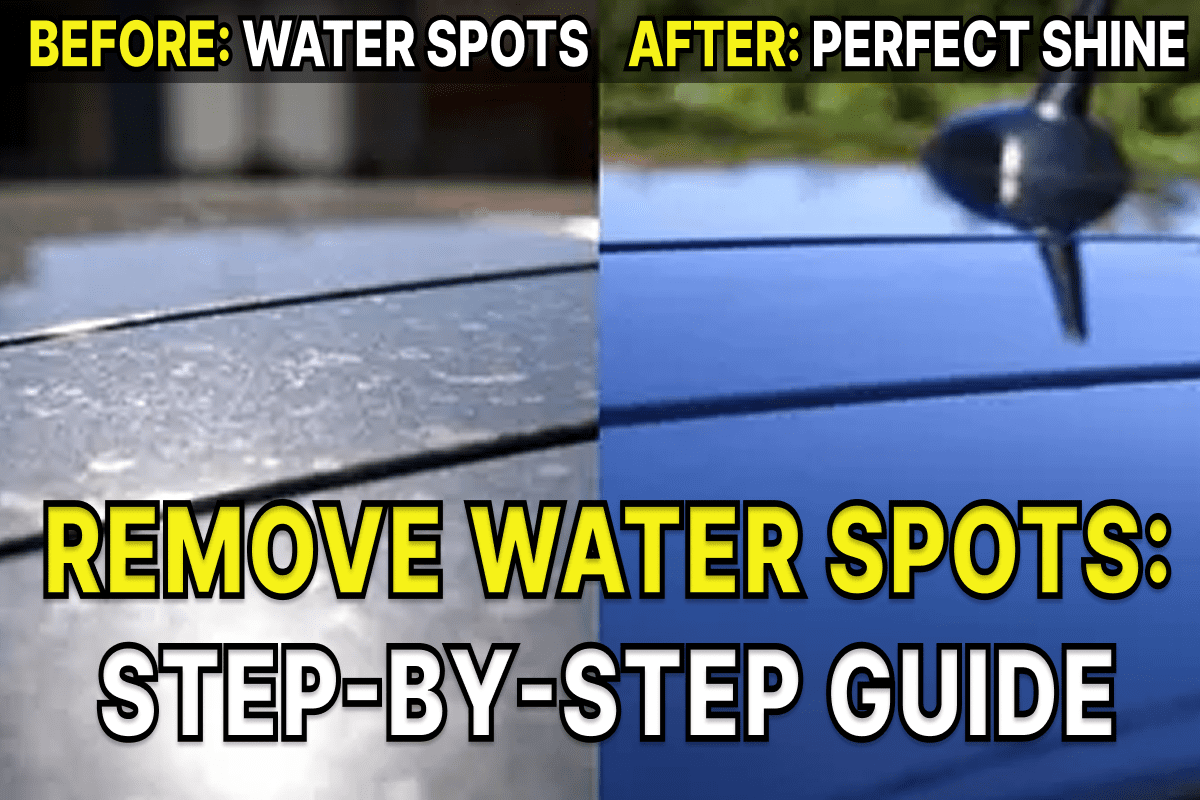
Those are water spots, and they are one of the most common enemies of a perfect finish. If you are wondering how to remove water spots from car paint step by step, you have come to the right place. In this guide, I’m going to walk you through exactly how to get rid of these mineral deposits, from simple DIY tricks to professional paint correction. Let’s get that shine back.
What Are Water Spots and Why Do They Damage Your Car Paint?
Water spots aren’t just unsightly. They form when mineral-rich water evaporates on your car’s surface. Minerals like calcium and magnesium get left behind.
These deposits bond with the paint. Over time, they etch into the clear coat. This creates permanent damage if ignored.
In coastal areas like Watsonville or Santa Cruz, hard water from sprinklers worsens the issue. Rain mixed with pollutants adds to the problem too.
Scientifically, it’s evaporation at work. Water droplets concentrate minerals as they dry. The sun bakes them in, turning spots white or hazy.
Light spots sit on top. Heavy ones dig deeper. I’ve seen cars where spots sat for months, requiring intensive correction.
Don’t panic yet. Early action prevents etching. But delay, and you’ll need polishing or worse.
Common culprits? Sprinkler water, car washes without drying, or parking under trees. Spot them early, check in sunlight.
Water spots affect more than paint. They hit glass, chrome, and wheels too. Each surface needs specific care.
In my experience, glass spots come off easier. Paint? That’s trickier due to the clear coat.
Why care? Untreated spots lower resale value. They make your car look neglected. Plus, they invite more dirt.
Pro tip: Always dry your car after washing. It stops spots before they start.
Tools and Materials You’ll Need
Gather your supplies first. This saves time and frustration.
You’ll need:
- Microfiber towels: Soft ones to avoid scratches.
- Car wash soap: pH-neutral to protect paint.
- Clay bar: For removing embedded contaminants.
- Water spot remover: Acid-based for tough spots.
- Polishing compound: Light abrasive for etched spots.
- Wax or sealant: To protect after cleaning.
- Buckets: Two for the two-bucket wash method.
- Spray bottle: For vinegar solutions if trying DIY.
- Buffer or applicator pads: For polishing.
Don’t skimp on quality. Cheap tools can scratch paint.
For pros like me, we use professional-grade polishers. But for home use, hand applicators work.
Safety gear? Gloves and eye protection. Chemicals can irritate skin.
Cost? Basic kit runs $50–$100. Worth it for spot-free paint.
Remember, test products on a small area first. Avoid direct sun and work in shade.
Step-by-Step Guide to Remove Water Spots From Car Paint
Ready to roll up your sleeves? Follow these steps carefully.
Step 1: Wash Your Car Thoroughly
Start clean. Dirt hides spots and causes scratches.
Use the two-bucket method. One with soapy water, one plain.
Wash from top to bottom. Rinse well.
Dry immediately with microfiber. This prevents new spots.
Pro warning: Skip automatic car washes. They often leave spots behind.
Step 2: Inspect and Clay Bar the Surface
Examine in good light. Feel for rough spots.
Lubricate with clay lube. Glide the clay bar gently.
This removes embedded minerals. Rinse and dry again.
I’ve clayed hundreds of cars. It makes polishing easier.
Step 3: Apply Water Spot Remover
For light spots, spray remover. Let it dwell 1–2 minutes.
Wipe with microfiber. Rinse thoroughly.
Heavy spots? Use vinegar mix: 50/50 with distilled water.
But vinegar isn’t always best. It can dull paint if overused.
Step 4: Polish for Etched Spots
If spots remain, polish time.
Apply compound to pad. Work in small sections.
Buff lightly. Check progress often.
For deeper etching, a one-step polish works on light cases.
Step 5: Seal and Protect
Finish with wax or sealant. This repels future water.
Apply in circles. Buff to shine.
Ceramic coating? Even better for long-term protection. Learn more about ceramic coating benefits here.
Real scenario: A client in Monterey had spots from ocean mist. After these steps, paint looked new.
Common mistake: Rubbing too hard. It swirls the paint.
Home Remedies vs. Professional Water Spot Removal
Tried vinegar? It works for mild cases. But for etched spots, it’s hit or miss.
Lemon juice? Too acidic risks damage.
Baking soda paste? Gentle scrub, but not for paint.
Myths busted: Toothpaste doesn’t remove spots. It scratches.
When DIY fails? Call pros.
At Fast Clean Mobile Detailing LLC, we start with a full exterior hand wash. Then clay bar treatment.
For light water spots, a one-step correction does the trick. Heavier or long-term ones need two-stage correction.
It depends on how long spots have sat. And the surface paint, glass, or other materials.
We tailor processes for each. Glass gets specific removers. Paint needs careful polishing.
I’ve handled cars with spots baked in for years. DIY often makes it worse.
Pro example: A Watsonville truck with sprinkler spots. Two-stage polish restored it perfectly.
Consider our paint correction services for tough jobs.
In coastal spots like Seaside, water spots are common. Read about paint correction in Seaside here.
External insight: Polishing removes swirl marks too.
Preventing Future Water Spots on Your Car
Prevention beats cure. Simple habits help.
Dry after every wash. Use a blower or chamois.
Park in garages. Avoid sprinklers.
Apply ceramic coating. It repels water like magic. Ceramic vs. wax for coastal protection.
In Santa Cruz? Mobile detailing keeps spots at bay. Explore options here.
Use distilled water for final rinses.
Wax regularly. It creates a barrier.
Pro tip: In Monterey, salt air accelerates spots. Best ceramic coating in Monterey.
Humor me: Think of coating as sunscreen for your car. No burns, no spots.
Real life: Clients with coated cars rarely return for spot removal.
For Watsonville rides, ceramic coating protects and shines.
External: Sealants shield from water spots.
FAQs
How do you remove hard water spots from car paint?
Hard spots need acid removers or polishing. Vinegar helps mildly, but pros use specialized products.
Is vinegar safe for removing water spots on cars?
Yes, diluted 50/50. But don’t overuse, it can etch paint. Test first.
What is the best product to remove water spots from car paint?
Water spot removers like those from detailing brands. For etched ones, polishing compounds work best.
How often should I detail my car to prevent water spots?
Every 1–3 months, depending on exposure. How often to mobile detail your car.
Can water spots permanently damage car paint?
Yes, if etched deep. Professional correction fixes most, but severe cases need repainting.
What’s the difference between water spots on paint vs. glass?
Paint spots etch the clear coat. Glass ones are surface-level and easier to remove.
Should I use a buffer to remove water spots?
For pros, yes. Beginners? Stick to hand polishing to avoid damage.
How long does ceramic coating last against water spots?
2–5 years with proper care. How long does ceramic coating last?.
Conclusion
You’ve learned how to remove water spots from car paint step by step—from washing to sealing. Remember, quick action stops damage. Use the right tools, avoid myths, and protect with coatings.
Your car deserves that spot-free shine. Don’t let spots win.
If you’re in Watsonville or nearby areas, book a mobile detailing with Fast Clean Mobile Detailing LLC today. We’ll handle the tough ones. Schedule now.